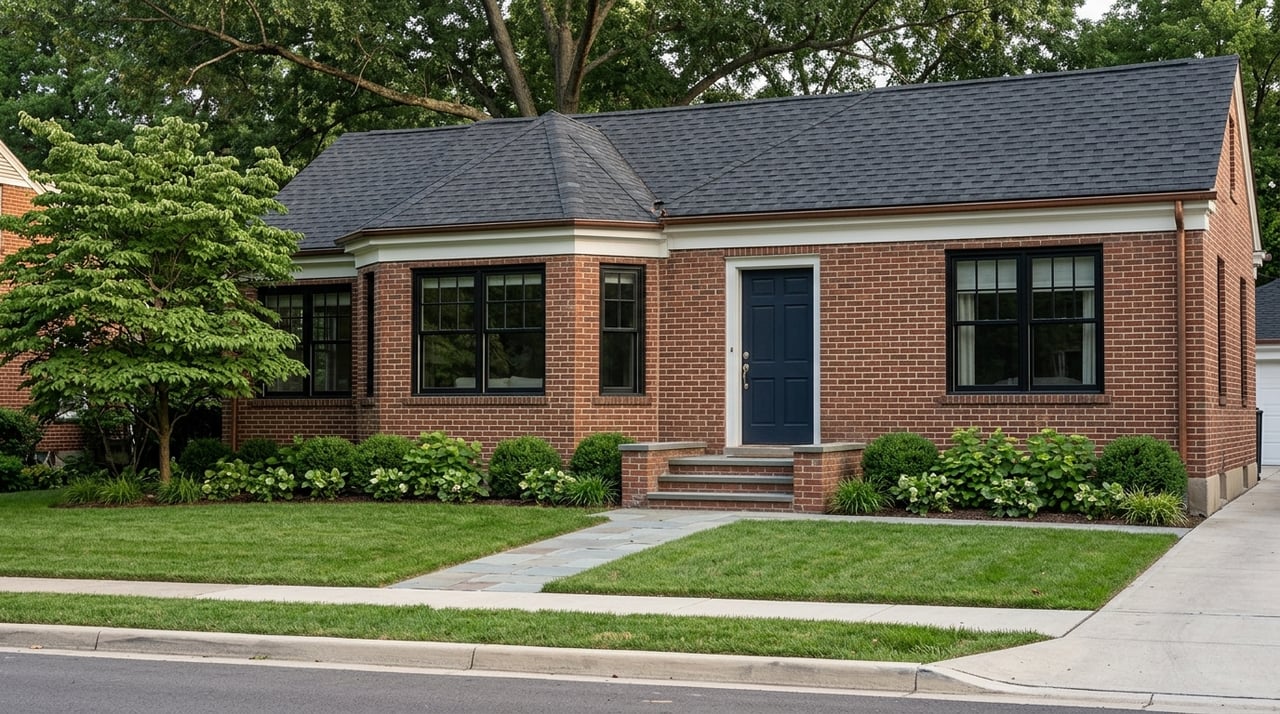
Buying An Older Home In Vienna With A Plan
June 18, 2026
June 18, 2026
Thinking about buying an older home in Vienna? You are not just choosing a house. You are also choosing its systems, its lot, its update path, and in some cases, its permit and historic-review requirements. If you want the charm of an established home without getting surprised later, a clear plan can help you buy with more confidence. Let’s dive in.
Older homes are a meaningful part of Vienna’s housing stock. The Town of Vienna reports that 28% of homes were built in 1939 or earlier, which helps explain why many buyers here weigh character, mature trees, and established lots against the cost of updates.
That matters even more in 22180, where there are 10,169 housing units, 70% owner occupancy, 70% single-unit homes, and a median owner-occupied home value of $941,400. In a high-value market like this, an older home can be a smart fit if you understand what you are buying beyond the finishes.
Vienna also has deep historic roots. The town notes that settlement in the area dates back to the 18th century, and areas such as Windover Heights are known for mostly older homes, open spaces, and mature trees.
When you walk into an older home, it is easy to focus on what looks dated. Cabinets, flooring, and fixtures are visible, but they are not always the most important part of the decision.
A better first question is this: Does the house and lot support the way you want to live? If your long-term plan includes an addition, a larger renovation, or even a rebuild decision down the road, the site can matter just as much as the current floor plan.
In Vienna, some residential projects require more than a simple permit review. Larger projects with more than 2,500 square feet of land disturbance go through a large-scale residential permit process, which can affect timing, cost, and feasibility.
A home inspection is important, but it has limits. In Virginia, licensed home inspectors evaluate readily accessible components like the structure, roof, exterior, interior, plumbing, electrical, heating, cooling, and smoke alarms.
That gives you a useful visual condition check. It does not mean the home has been reviewed for full code compliance, and it does not guarantee the property is free of every hidden issue.
Virginia rules also allow inspection reports to exclude environmental hazards such as asbestos, lead-based paint, mold, and radon. For an older Vienna home, that means you may need separate specialists depending on the age of the property and your renovation plans.
If you are comparing older homes, it helps to organize your evaluation around the items that are usually the most expensive or disruptive to address.
Start with the structure and roof because these issues can affect almost every future improvement. A home with visible settlement concerns, roof wear, or water entry signs may need a very different budget than one with cosmetic-only updates.
Older plumbing and electrical systems deserve close attention. Even if a home functions today, age and prior repair history can shape what you may need to update over time, especially if you plan to renovate.
HVAC performance matters for both comfort and budgeting. In an older home, heating and cooling systems may be near the end of their useful life or may not match the efficiency expectations you have for the future.
Windows, siding, drainage, and visible moisture issues can point to larger maintenance patterns. These details may seem secondary during a showing, but they often shape your ownership costs in the first few years.
Older homes often require another layer of due diligence beyond the general inspection.
If the home was built before 1978, federal lead disclosure rules apply. Sellers must provide any known lead information, give you the lead pamphlet, and provide a 10-day period for a paint inspection or risk assessment before you are obligated under the contract terms described by the rule.
This matters even more if you plan to remodel. Renovation, repair, and painting work in pre-1978 homes can create lead dust when paint is disturbed.
Asbestos may not be a problem if materials are undamaged and left alone. But if older materials are damaged or will be disturbed during a remodel, EPA guidance says a trained and accredited asbestos professional should handle sampling, repair, or removal.
For buyers, the practical takeaway is simple: if you are buying with renovation in mind, ask not just what is present, but what your project may disturb.
Radon is another item that should be handled directly, because testing is the only way to know whether levels are high. The Virginia Department of Health says a professional radon test usually costs about $100 to $200.
If mitigation is needed, VDH says a typical sub-slab system may cost about $800 to $1,200, with crawl-space or more complex homes potentially costing more. That is exactly the kind of line item that belongs in your planning budget early.
Flood risk is easy to overlook when a house checks every other box. In Vienna, the town says Special Flood Hazard Areas have a 1% annual chance of flooding, and that chance rises to 26% over a 30-year mortgage.
The town also notes that many homeowners policies do not cover flood damage. If a property may be affected, check that early and ask about elevation certificate information, which the Town of Vienna keeps on file and can help residents look up.
This step is especially important before you budget for improvements. Site work, drainage, floodplain rules, and documentation can all affect what is realistic.
One of the biggest mistakes buyers make with older homes is assuming renovation plans can wait until after closing. In Vienna, permit and zoning questions should be part of your purchase evaluation.
The Town says a zoning permit or building permit may be required before permanent interior or exterior changes are made. Reviews can apply to additions, decks, screened porches, bay windows, roof height changes, pools, basement renovations, wet bars, patios, driveways, fences, and accessory structures over 256 square feet.
Fairfax County serves as the building official and reviews structural, mechanical, electrical, plumbing, fire, and health-related requirements before permits are issued. Before a new or expanded structure can be occupied, the Town requires a Certificate of Occupancy after county and town inspections are complete.
If your goal is to significantly expand an older home, the lot may be just as important as the house. Vienna’s large-scale residential review can include wall check surveys, lot-coverage calculations, and, when applicable, FEMA elevation certification.
That means the answer to “Can we add on later?” is not always simple. Lot size, grading, and site constraints can affect whether expansion is practical, expensive, or not the best path at all.
For some buyers, this is where the decision shifts from renovation to rebuild strategy. Even if you do not plan to act right away, knowing the likely path can help you choose the right property now.
If you are considering a home in the Windover Heights Historic District, build historic review into your plan from day one. In this district, properties need a Certificate of Appropriateness for small- and large-scale residential permits and other exterior modifications, including paint color changes.
That does not mean buying there is a bad idea. It simply means your update timeline and approval path may differ from what you would expect elsewhere in Vienna.
For buyers drawn to older homes and mature settings, this kind of context can be part of the appeal. It just needs to be understood before you buy, not after.
A smart budget for an older Vienna home should go beyond visible updates. General inspections in Virginia are visual and may not cover code compliance or all environmental hazards, so your actual cost picture may include specialist testing, permits, mitigation, and contractor work.
That is why the best older-home plan usually falls into one of three categories:
None of these paths is automatically right or wrong. The right choice depends on the house condition, your budget, the site, and how long you expect to own the property.
If you are touring multiple older homes in Vienna, use a simple framework to stay grounded.
This approach can help you move past first impressions and compare properties more strategically. In a market like 22180, that kind of discipline matters.
Older homes in Vienna can offer real advantages, from established settings to long-term lot potential. But the strongest purchases usually happen when you treat the home as both a place to live and a project to evaluate carefully.
When you understand inspection limits, environmental follow-up items, permit steps, and likely ownership costs, you can make a clearer decision. That kind of planning helps you protect your budget and buy a home that fits both your present needs and your future plans.
If you are weighing an older home in Vienna and want calm, strategic guidance as you compare options, Aisha Barber can help you approach the process with a clear plan.
Aisha delivers a refined, client-focused experience backed by proven results. Her expertise ensures every detail is handled with care. Partner with a trusted leader in luxury real estate.
Aisha Barber
12120 Sunset Hill Dr Ste 203 Reston, VA 20190