Space And Privacy When You Buy In Oakton
June 25, 2026
June 25, 2026
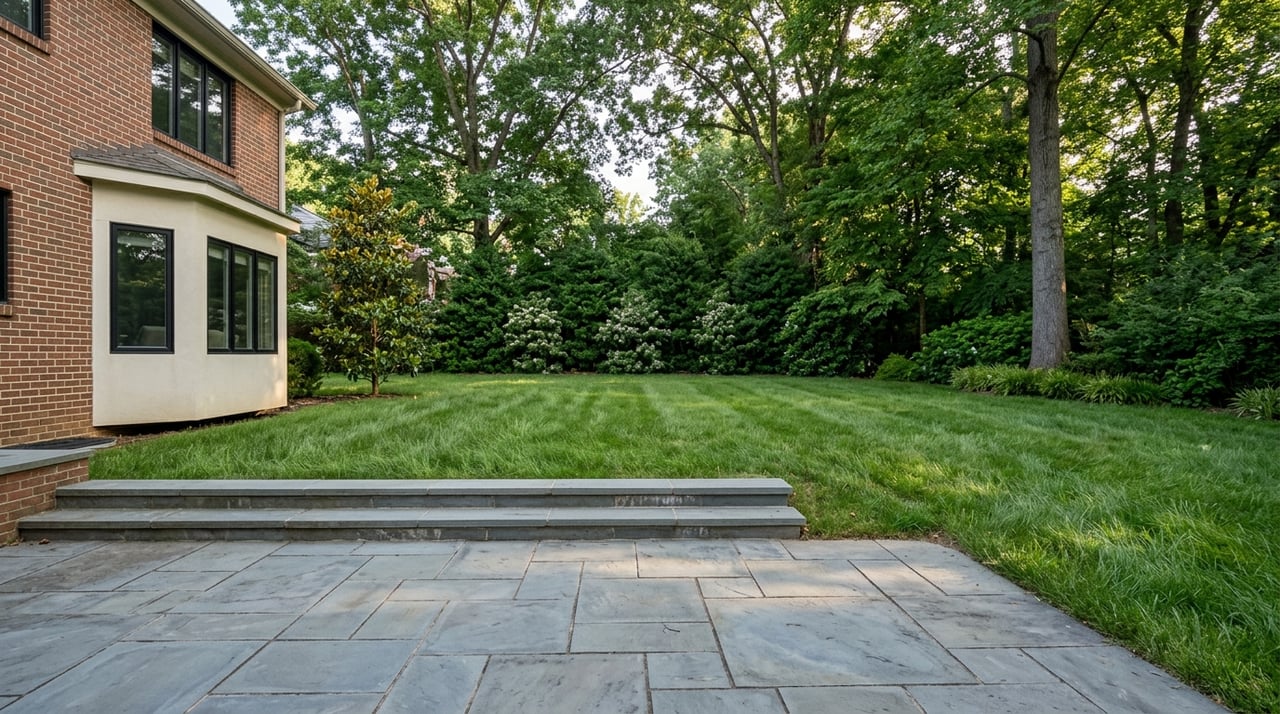
If you are craving more room to breathe in Northern Virginia, Oakton deserves a closer look. Many buyers want a home that feels tucked away, but they do not want to give up daily convenience or regional access. In Oakton, the local pattern supports that balance with low-density residential areas, mature tree cover, and a quieter suburban feel. Here is what to know if space and privacy are high on your list.
Oakton is a Census-designated place in Fairfax County with 36,732 residents, a 66.6% owner-occupied housing rate, and a median owner-occupied home value of $792,100 based on the 2020-2024 ACS. Those numbers point to a more established, homeowner-heavy market rather than a dense, high-turnover area. If you are moving up from a smaller home or a denser neighborhood, that difference can matter in your day-to-day experience.
Fairfax County planning guidance describes much of the Oakton area as low-density residential with strong open-space character. That is especially true around the Difficult Run watershed, where county planning emphasizes large-lot character, buffers, and tree preservation. In practical terms, Oakton’s sense of privacy is part of the broader land-use pattern, not just something you might find in one or two listings.
The dominant housing type in the Oakton planning area is single-family detached housing. County plans also reference older detached subdivisions, including areas such as Grays Oakton and Old Courthouse Woods. If your goal is a detached home with more separation from neighbors, Oakton lines up well with that search.
This does not mean every part of Oakton looks the same. The area includes a range of home styles and lot settings, so the amount of privacy can vary from one section to another. Still, the overall pattern remains centered on lower-density living.
Oakton is not exclusively detached homes. Fairfax County planning documents note townhouse clusters near Jermantown, Miller, and Chain Bridge, along with mixed detached and attached development in Penderbrook and a few multifamily pockets near major roads and mixed-use nodes.
That matters if you want Oakton’s location and landscape character but do not need the upkeep or price point of a larger detached property. It also helps explain why buyers should look carefully at micro-locations within Oakton, since the housing experience can shift near larger roads and activity centers.
When buyers talk about space, they usually mean more than square footage. They often mean a quieter setting, more distance between homes, mature trees, usable yard space, and less visual clutter. Oakton stands out because county planning repeatedly supports that kind of environment, especially in areas shaped by the Difficult Run watershed.
You should think of Oakton as a place where privacy often comes from the full setting around the home. Trees, stream valleys, buffers, and lower-density planning all contribute to that feeling. That can create a very different experience from denser Northern Virginia communities where homes sit closer together and commercial activity is more continuous.
Oakton’s quieter feel is backed by more than buyer perception. Fairfax County describes the Difficult Run watershed as including forest, stream valleys, and natural habitat. Oakton Library also highlights views of seasonal changes and local wildlife, which reinforces the area’s wooded and established character.
For many buyers, that setting is a major part of the value. A private-feeling property often feels even more private when the larger area around it also has tree cover and preserved open space. In Oakton, that broader backdrop is part of what gives the area its identity.
Privacy does not have to mean isolation. Oakton offers direct access to outdoor amenities that support an active lifestyle while preserving the area’s quieter feel. That can be especially appealing if you want room at home and easy ways to get outside nearby.
The Cross County Trail includes the Difficult Run Stream Valley Trail segment from Oak Marr Park to Lawyers Road. Fairfax County identifies that section as about six miles long, with access points at Oak Marr Park and mostly natural-surface or stonedust trail.
For buyers who value privacy, that kind of nearby trail access adds a lot. You get the benefit of outdoor recreation and a natural setting without needing to drive far to find it.
Oakton also has a concentrated group of county-run amenities along Jermantown Road. These include Oakmont Rec Center, Oakmont Golf Center, Oakmont Mini-Golf, and a seasonal Oakmont Farmers Market.
The rec center offers aquatic facilities, fitness spaces, courts, tracks, and programs. The golf center includes a par-three course and a 78-station driving range. Together, these amenities give you practical lifestyle options close to home, which helps balance Oakton’s quieter residential character.
One of the most common questions about Oakton is whether a more private setting means daily errands become harder. In Oakton, convenience tends to be concentrated rather than spread across a long commercial strip. Fairfax County planning identifies Oakton Shopping Center and Hunter Mill Plaza as neighborhood-serving shopping centers.
That pattern can work well if you prefer a residential environment that does not feel dominated by retail. You may not get the feel of a dense, walk-everywhere district, but you do get nearby everyday services, library access, recreation, and trail connections clustered into a few practical nodes.
Oakton works for many buyers because it offers a suburban setting with access to the larger region. The Vienna/Fairfax-GMU station is the Orange Line’s final Virginia station, and WMATA notes its intermodal connection to I-66. Fairfax Connector Route 461 also provides local circulator service between Vienna Metro Station and Oakton.
That said, the trade-off is important to understand. Oakton is still a car-oriented suburban market, and Fairfax County’s Oakton congestion study points to pressure at key intersections, including areas around Oakton Shopping Center and Oakton Community Park. If you are choosing Oakton for space and privacy, it helps to go in with clear expectations about traffic patterns on major roads.
Oakton can be a strong fit if you are looking for:
It may be less ideal if your top priority is a highly walkable, urban-style environment with continuous retail and shorter car trips for most errands.
Not every home in Oakton will deliver the same level of privacy, even within the same ZIP code or search area. Because Oakton includes both detached-home sections and selected attached or higher-density pockets, the best strategy is to compare each home in context.
As you tour homes, pay attention to:
That kind of block-by-block review can make a big difference, especially in a market where the overall character is low-density but the details still vary by location.
If you are moving from a condo, townhouse, or a more compact suburban neighborhood, Oakton can feel like a meaningful lifestyle shift. More room, more trees, and a calmer setting can change how home feels every day. At the same time, Oakton still offers enough convenience and transportation access to stay connected to the broader Northern Virginia market.
That balance is what makes Oakton worth serious consideration. It is not trying to be the densest or busiest part of Fairfax County. Its appeal comes from offering a more spacious residential pattern while still keeping daily life practical.
If you want help comparing Oakton homes with an eye toward lot setting, privacy, commute patterns, and long-term fit, Aisha Barber can help you navigate the details with a calm, local, strategic approach.

Aisha delivers a refined, client-focused experience backed by proven results. Her expertise ensures every detail is handled with care. Partner with a trusted leader in luxury real estate.

Aisha Barber
12120 Sunset Hill Dr Ste 203 Reston, VA 20190