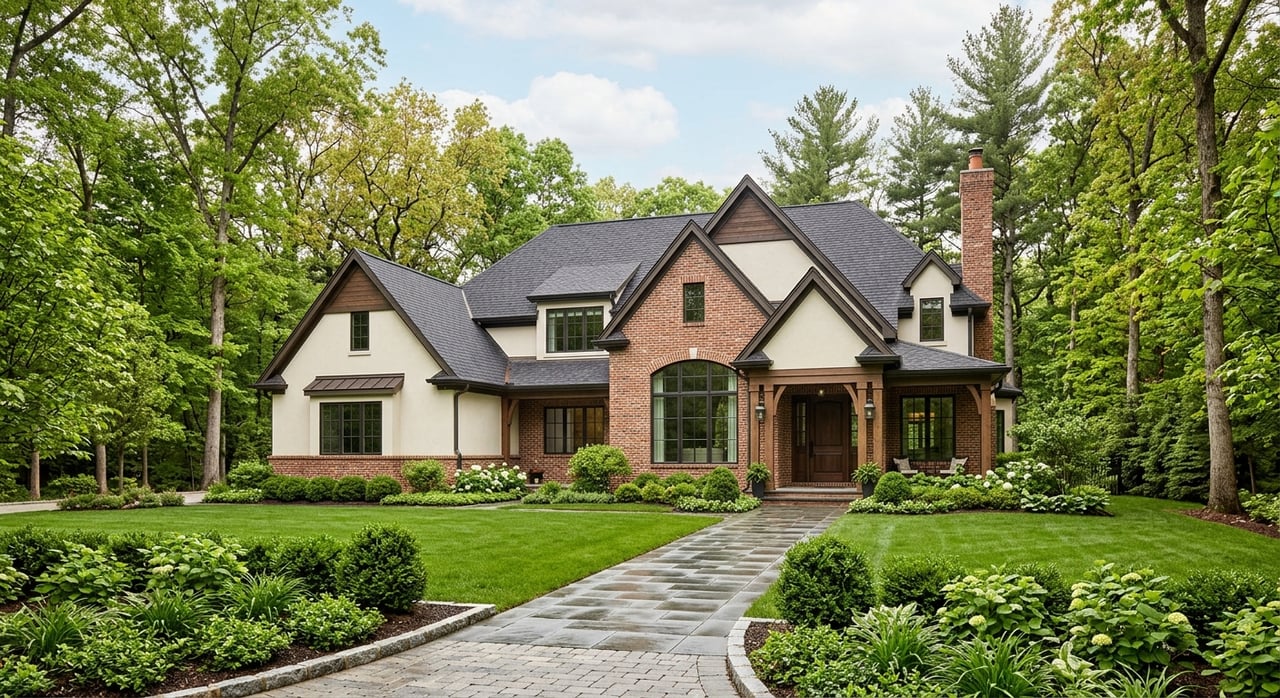
Is McLean VA a Smart Commute Choice for DC and Tysons?
June 11, 2026
June 11, 2026
If you want easier access to both Washington, DC and Tysons, McLean keeps showing up for a reason. You may be looking for a shorter commute, more space than a denser urban setting, or a home that balances convenience with a more suburban feel. McLean offers a mix of road access, rail options, and varied housing styles that can support different lifestyles and price points. Let’s dive in.
McLean sits in the northeast corner of Fairfax County and includes the McLean Community Business Center plus part of Tysons. Fairfax County identifies key transportation corridors through the area, including I-495, Route 123, the George Washington Memorial Parkway, Route 7, and I-66. That network is a big part of why McLean appeals to buyers who need to move efficiently around Northern Virginia and into DC.
There is also a clear lifestyle advantage in the way McLean is laid out. Fairfax County describes much of the area outside Tysons and the business center as stable, low-density residential neighborhoods. In practical terms, that means you can often choose between stronger transit access on the east side or more lot space and privacy farther west.
Tysons adds another layer of appeal. Fairfax County says Tysons is being shaped into a 24-hour urban center with 100,000 residents and 200,000 jobs by 2050. If you work in or near Tysons, living in McLean can put you close to one of the region’s largest employment hubs without requiring you to live in the densest part of it.
WMATA’s McLean station sits on the Silver Line off I-495 and is accessible from Route 123. The Silver Line now runs from Ashburn to Downtown Largo, which means Tysons and downtown DC are on the same rail corridor. For buyers who want a transit option built into daily life, this is one of McLean’s biggest practical advantages.
The areas closest to McLean Metro tend to attract buyers who prioritize commute time over yard size. If your weekly routine includes office days in Tysons, meetings in DC, or a mix of both, being near this station can simplify your choices.
Bus service can also support local mobility, especially if you are connecting between neighborhoods, Metro, and Tysons. Fairfax Connector Route 721 runs east-west between Tysons Corner Center and McLean along Chain Bridge Road, with stops that include McLean Metro Station and Langley Shopping Center.
Fairfax Connector also lists routes 703, 721, 722, 724, and 480 at the McLean Metrorail park-and-ride location. One important detail is that the station itself has no parking. If Metro is central to your plan, that is worth factoring into your home search early.
For many buyers, driving still plays a major role in how livable McLean feels. The main commuting corridors include I-495, Route 123, Route 7, and the George Washington Memorial Parkway, and Fairfax County notes ongoing transportation work in Tysons focused on Route 7 and Route 123 improvements.
Your best fit often depends on which side of McLean puts you closer to where you go most. If your priority is quick Tysons access, eastern McLean may make more sense. If you need a different balance of privacy, home size, and road access, central or western sections may be a better match.
East McLean, especially around 22102 and the McLean Metro area, is the most transit-oriented part of the market. This is where you are more likely to find condo options and easier access to Tysons retail, offices, and the Silver Line.
Current active examples show a wide condo range in this part of McLean. One-bedroom units are listed around $249,000 to $314,000, while some two-bedroom units are around $375,000 to $585,000. Larger or newer units can reach roughly $1.225 million, showing just how broad the entry points can be.
Central McLean often appeals to buyers who want a middle ground. You are still relatively well positioned for Metro and highway access, but the housing feel can be more traditional than what you may find on the Tysons edge.
This part of McLean can work well if you want proximity without making transit the only priority. For many relocating buyers, that balance is exactly what makes central McLean worth a closer look.
West and northwest McLean, including areas such as Langley, Salona Village, and Chesterbrook, generally offer more lot size and a lower-density setting. Fairfax County describes the Potomac-side area as low-density residential and highlights Georgetown Pike as a scenic corridor.
This side of McLean often appeals to buyers who place a premium on space, privacy, and detached homes. Recent neighborhood median figures show about $1.27 million in West McLean, $1.51 million in Chesterbrook, $2.9 million in Salona Village, and $2.75 million in Langley. If your goal is more room and a quieter residential setting, these areas are often part of the conversation.
Condos are often the easiest entry point for buyers who want commuter convenience first. Current inventory snapshots show 85 condos for sale in McLean with a median listing price of $1.25 million, though active listings span a much wider range.
That wide spread matters. Entry-level one-bedroom units near the Tysons side can be far below the median, while larger or newer residences can rise well into seven figures. If your focus is easy access to Metro and lower exterior maintenance, condos deserve a serious look.
Townhomes often hit the sweet spot between space and location. Current snapshots show 26 townhouses for sale in McLean with a median listing price of $1.25 million.
Active examples range from a three-bedroom townhome under $900,000 in 22102 to a three-bedroom townhome around $1.2 million in 22101. If you want more room than a condo but still care about staying close to Tysons, Metro, and major roads, this category can offer strong value.
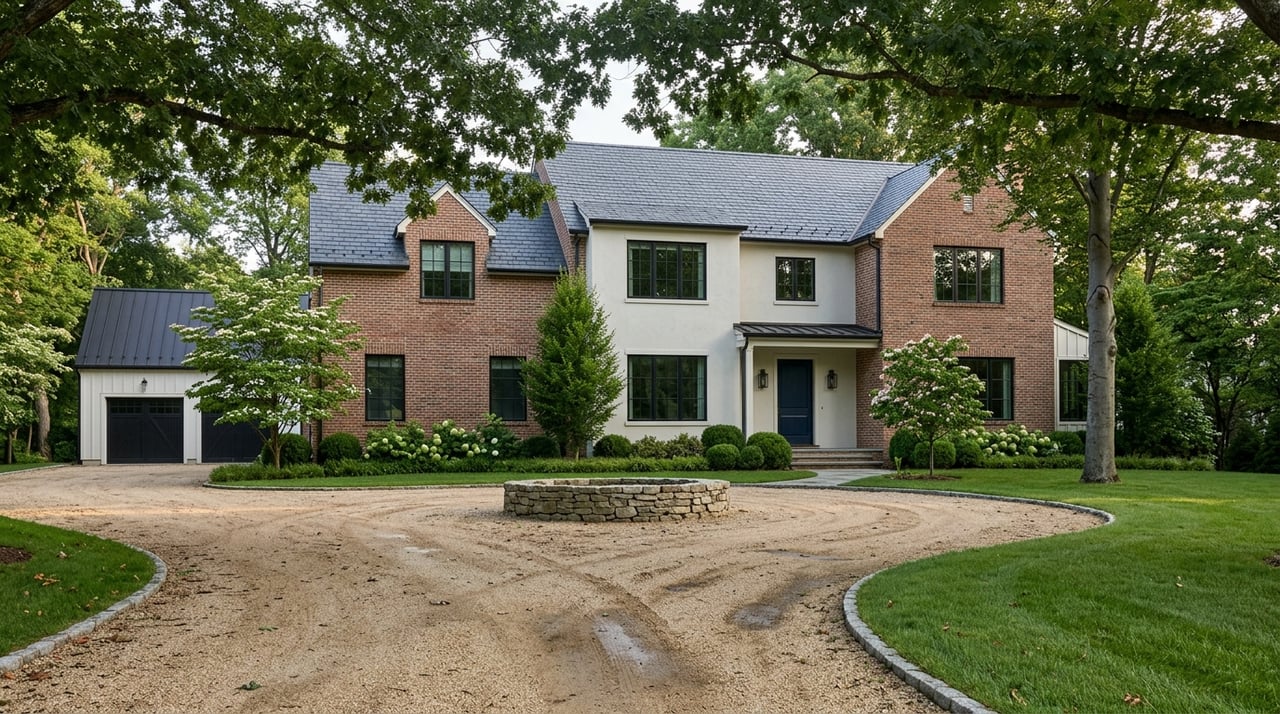
Detached homes in McLean commonly start in the mid-$1 million range and move up quickly with lot size and location. Current examples include homes around $1.65 million, several in the $2.2 million to $2.4 million range, and another at $3.85 million.
For buyers seeking larger lots and more separation from neighboring homes, detached properties tend to be concentrated farther west. The tradeoff is that as you gain space, you may give up some of the immediate transit convenience found closer to Tysons and McLean Metro.
Usually, yes. McLean has a Walk Score of 23, which reflects a car-dependent pattern for many everyday errands and routines.
That said, your experience can vary by location. If you buy near McLean Metro or the Tysons edge, you may use transit more often for work trips. If you choose a lower-density area farther west or northwest, driving will likely remain a regular part of daily life.
The best part of McLean for you depends on what you want to optimize. If your top priority is access to Tysons and rail service into DC, eastern McLean near 22102 and the Metro station is often the most practical fit.
If you want a blend of convenience and a more traditional residential setting, central McLean may offer the balance you need. If you are willing to trade some commute simplicity for larger lots, detached homes, and more privacy, west and northwest McLean may be a better match.
A focused home search can save you time here. In McLean, even small shifts in location can change your commute pattern, housing options, and price point in a meaningful way.
If you are weighing McLean against other Northern Virginia options, working with someone who understands how neighborhood location affects day-to-day life can make the process much smoother. To talk through your goals and narrow in on the right fit, connect with Aisha Barber.
Aisha delivers a refined, client-focused experience backed by proven results. Her expertise ensures every detail is handled with care. Partner with a trusted leader in luxury real estate.
Aisha Barber
12120 Sunset Hill Dr Ste 203 Reston, VA 20190